
The Crazy Idea That Became Ytri Island Retreat
How do you build a world-class hotel on a remote Norwegian island 65km out to sea? Mikael Forselius of Ytri Island Retreat joined VISIT's Malin Larsson-Salo live in Gothenburg to share the story, from community dream to international media sensation.

The Crazy Idea That Became Ytri Island Retreat
What happens when a community of fewer than 500 people decides it wants to build one of Norway's most ambitious luxury hotels? This is the story of Ytri Island Retreat, told in Mikael Forselius's own words.
In a recent live webinar hosted by VISIT's Malin Larsson-Salo in Gothenburg, Forselius sat down, just six days before Ytri's opening, to share the journey: how the project started, how the hotel was built, how it found its audience, and the lessons other hospitality businesses can take from it.
A Small Island with a Big Dream
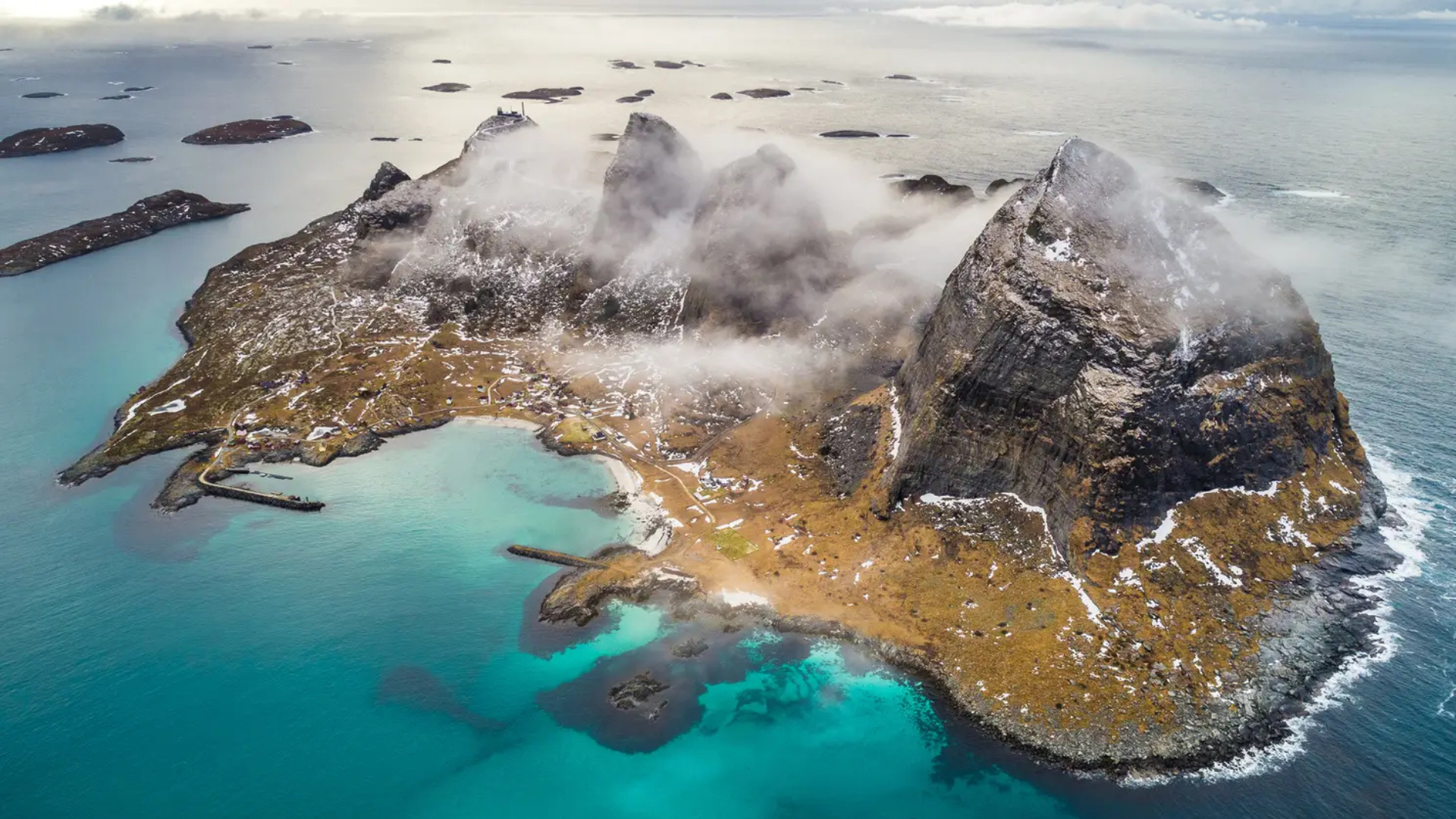
The Træna archipelago sits 65 kilometres from the Norwegian coast, out in the open ocean and straddling the Arctic Circle. The municipality has almost as many uninhabited islands as people who call it home - 458 inhabitants before Ytri's nearly 50 new staff members began moving there.
The project began not with an investor, but with the people of Træna. A local development manager gathered residents in the island's café and asked a simple question: what is your dream for our island? Their answer was striking - a high-end hotel that left a small footprint and gave back to the community.
The proposal made its way to Laho, an Oslo-based investment company. Unlike most resort developments, there was no local resistance - the community genuinely wanted this. For Forselius, who was working at Laho, that made it impossible to turn down.
Not Just a Hotel, but a Lifestyle
From early in his career, Forselius has operated with a clear philosophy: don't build a hotel - build a destination where every element gives guests a reason to be there, to stay, and to return.
At Ytri, he said, they went further. The ambition wasn't just to create a destination. It was to create a lifestyle.
"You arrive into a rhythm. A way of being. A way of dressing. A way of living close to nature and weather."
– Mikael Forselius, Ytri Island Retreat
He drew an analogy: when you think of Jamaica or the West Indies, you immediately think reggae culture, relaxed pace, open shirts, rum. You slip into a way of being. At Træna, he said, it's the same. You put on a thick knitted jumper and a woollen hat. The wind is ever-present. Everyone talks about the weather, because the weather determines what you do that day.
And nothing about your stay is a certainty. You may have planned to go fishing, but a storm might make that impossible. If there's fog, the helicopter you planned to take to the island might not be able to land. You're at nature's mercy - and that's exactly the point. The island's rhythm becomes your rhythm.
Crucially, this lifestyle is not just for guests. It's also for the nearly 50 staff who have moved to the island from all over the world. The experience Ytri wants to give guests is the same experience it wants its team to live.
Every morning, a guest relations manager presents the day's possibilities based on the weather. The activities fluctuate with the conditions. Guests fall asleep watching the sun set over the ocean. They wake up to panoramic light. Eagles fly past the window.
Sustainable Tourism Rooted in the Community
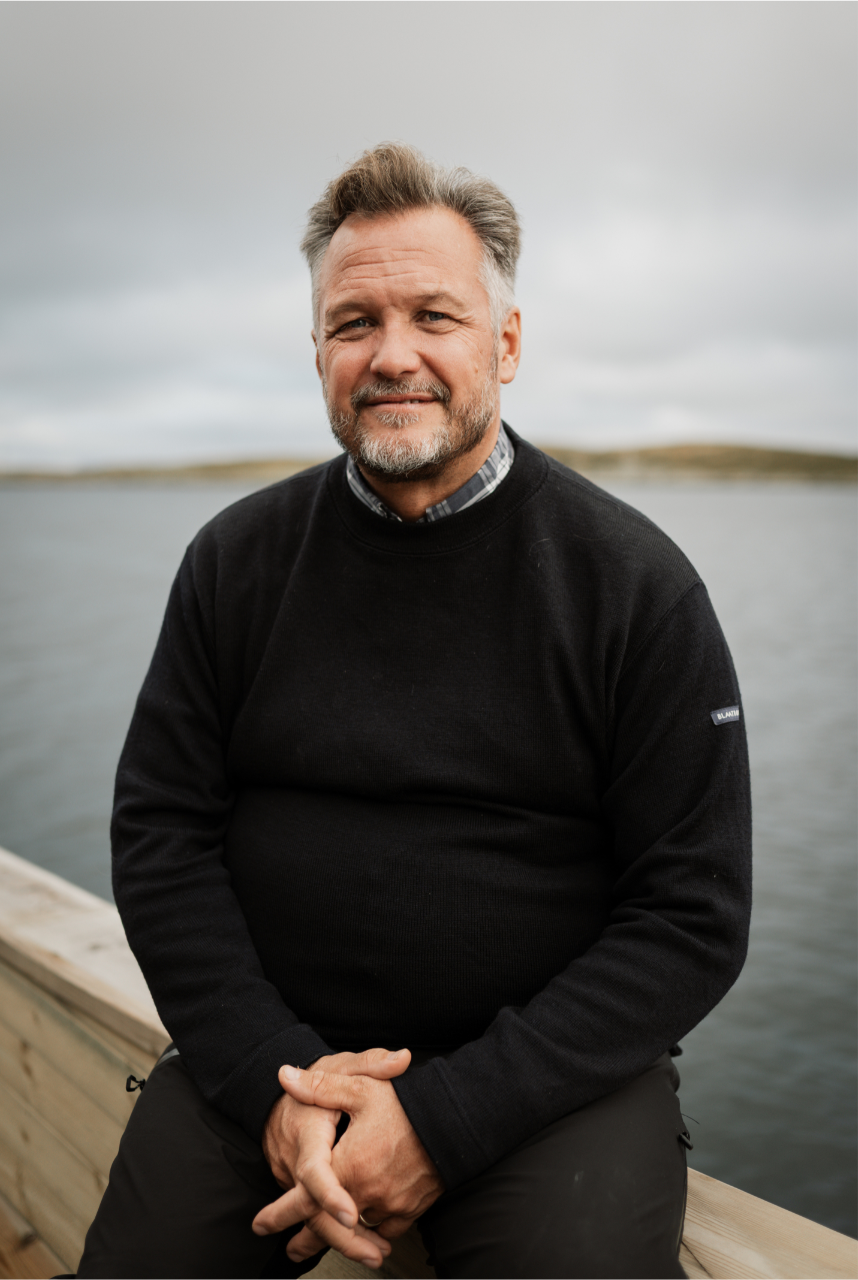
One of Ytri's most striking commitments is one that most hotels never have to make: they have pledged that there will never be more tourists on the island than there are inhabitants.
"You should be able to get close to the community. That's what's missing from so many destinations today."
– Mikael Forselius, Ytri Island Retreat
With 38 rooms and a maximum capacity of around 80 guests, the scale is deliberately limited. And to protect both the island and the quality of the experience, Ytri Island Retreat has built minimum-stay requirements into its booking model: packages only at weekends, minimum stays during summer, with a long-term goal of a minimum three-night stay across all seasons.
The reasoning is both environmental and experiential. Guests who stay one night don't have time to absorb the lifestyle, don't use the island's broader resources, and don't spend money in the local community. Longer stays benefit everyone: the guest, the island, and the community. And to give back directly, Ytri has invited every resident of the municipality to book one complimentary night at the hotel.
The PR Lesson That Every Hospitality Business Should Hear
Ytri Island Retreat's approach to launching publicly is one of the most instructive parts of the story, in that it didn't go the way the team expected.
Forselius had watched other Norwegian hospitality projects announce loudly and early, generate international media buzz, and then never open. He was determined not to do the same. The decision was made: go public only when the building shell is up, the booking system is live, and a quality partner, in this case Relais & Châteaux, is confirmed. No promises without substance behind them.
When the time came, the team sent a carefully crafted press release to Norway's biggest media outlets: Aftenposten, VG, TV2. They received no response.
Rather than give up, Forselius pivoted. He sent the same story to the New York Times, Forbes, Robb Report, The Times in the UK, and Paris Match. They got coverage from all of them. Shortly after, his phone started ringing. It was TV2. Then VG. Then Aftenposten. They all wanted the story. Since that moment, Ytri Island Retreat has been covered extensively in both Norwegian and international media.
Packages, Direct Bookings, and a Clear Commercial Philosophy
When it came to how Ytri sells itself, Forselius is direct about his philosophy.
He does not work with passive OTA distribution - platforms where a hotel simply appears alongside dozens of competitors and pays commission for the privilege.
Instead, Ytri Island Retreat focuses on two channels: its own website, and travel agents who actively sell the property.
Packages are central to this approach. Forselius is insistent that packages should always be visible on the website - even if they don't directly sell. They serve as content: they show guests everything the destination has to offer, which increases overall booking intent. Some guests will book a package; others will see the packages, understand the breadth of what's available, and then book a bed-and-breakfast rate knowing they can do more on arrival.
"A package first and foremost shows what's possible. It's the best way to communicate what a destination offers."
– Mikael Forselius, Ytri Island Retreat
For travel agents, Ytri uses VISIT's Travia platform, a B2B agent marketplace. Rather than building a large reservations team, Ytri handles its entire agent channel with a single person. Travia connects via the channel manager, pulling live availability and pre-agreed commission rates so agents can book directly and efficiently.
Forselius describes attending travel trade fairs to meet agents and tour operators in person. At those events, the message is simple: we're on Travia, you can find us, book us easily. Agents are chosen carefully - primarily those who understand the lifestyle Ytri is selling and can convey it passionately to their clients.
For all of this to work with a small administration team based on the island itself, the technology needs to do the heavy lifting. Ytri uses VISIT Group's sales platform (BookVisit IBE) for direct bookings and packages, and its operations platform (VisBook PMS) for running the hotel day-to-day.

What the Hospitality Industry Can Learn from Ytri Island Retreat
The story of Ytri is extreme in its context - a 65km offshore island, fewer than 500 local residents, a community dream turned international destination. But the principles Forselius applied are transferable to any hospitality business:
- Packages can communicate, not just sell: Even packages that don't convert directly serve a purpose: they show guests what's possible, and they drive overall booking intent. With VISIT's platform solutions, Ytri was able to make this possible.
- Protect your margins and your story: Passive OTA distribution doesn't just cost commission - it divorces your brand from your story. Direct bookings and active agent partnerships keep the narrative intact and the economics healthier. Thanks to BookVisit online booking, Ytri is able to retain ownership of the narrative.
- Start from the community, not the spreadsheet: The most compelling hospitality projects are rooted in a genuine sense of place and a genuine desire from those who belong to it. Ytri's investors chose this project because the community wanted it - not despite the location, but because of everything the location meant.
- Define your lifestyle, not just your product: Guests don't just want a room. They want to feel something. Ytri designed its entire proposition around a feeling - the rhythm of island life, weather-led, nature-close - and every detail reflects it.
- Build substance before you shout: Don't announce until you have something real to offer. Ytri's decision to stay quiet until the building was up and Relais & Châteaux was confirmed protected its credibility and made the eventual launch far more powerful.
-
Consider going international first: Counterintuitively, international media attention unlocked domestic media coverage for Ytri. If your story isn't getting traction at home, it may simply need a different audience first.
Interested in how Visit Group helps hospitality businesses build seamless guest journeys and drive direct revenue?